
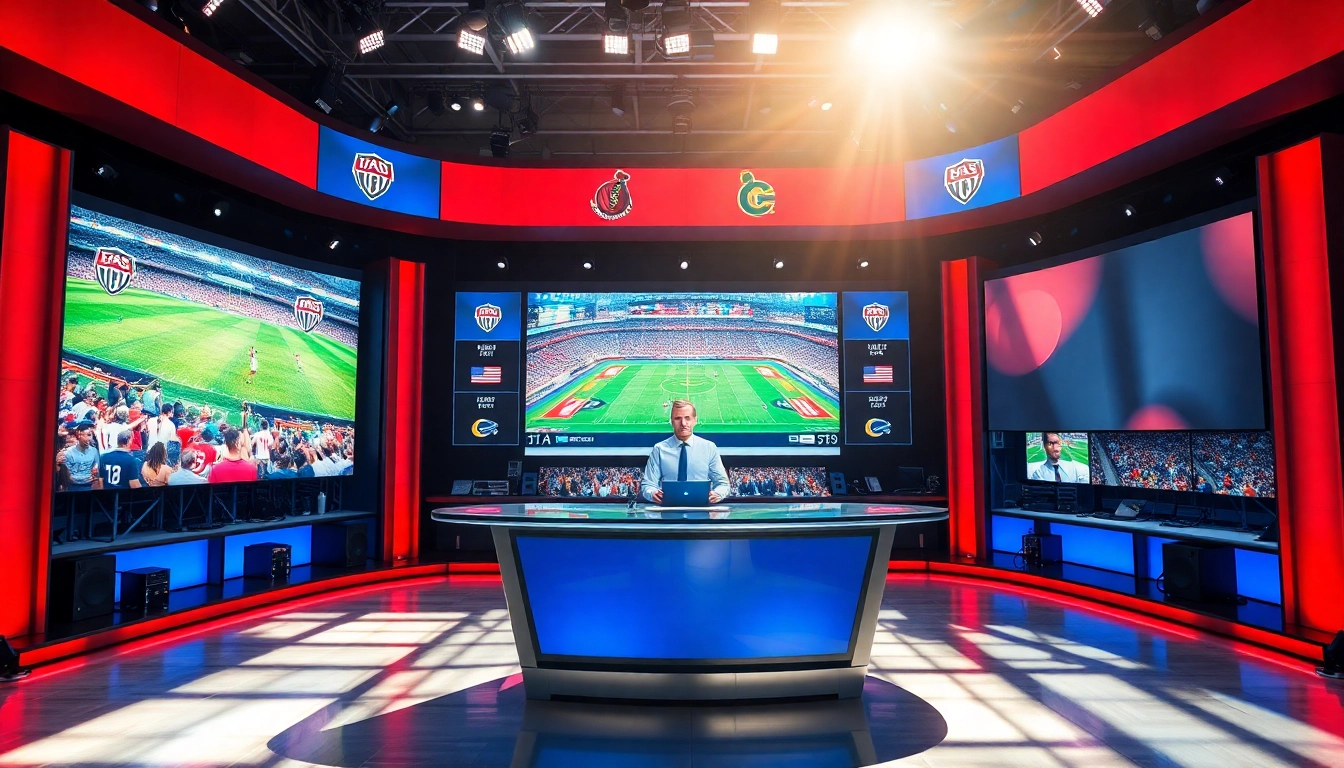
Understanding Sports Broadcasting
Sports broadcasting serves as the vital connection between sports and its viewers, delivering live action, stories, and analysis that engage fans worldwide. With the digital age transforming how we consume content, Sports Broadcasting has evolved significantly from its inception, adapting to new technologies and audience preferences.
The Evolution of Sports Broadcasting
The roots of sports broadcasting can be traced back to radio broadcasts in the early 20th century. As technology progressed, the introduction of television revolutionized how sports were consumed. Major milestones include the first televised sporting event, the 1936 Berlin Olympics, which marked the beginning of a new era.
Throughout the decades, sports broadcasting has continued to evolve, driven by advancements in technology and changes in consumer behavior. The 1980s introduced ESPN, a 24-hour sports network that changed the game by providing round-the-clock coverage. With the advent of digital streaming platforms, the landscape shifted once again, allowing viewers to watch events live on multiple devices.
Key Components of Sports Broadcasting
Successful sports broadcasting hinges on several key components:
- Production Quality: High production values, including camera angles, sound quality, and visual effects, enhance viewer engagement.
- Commentary and Analysis: Experienced commentators and analysts provide insights that enrich the viewing experience, helping fans understand game dynamics.
- Audience Interaction: Engaging with fans through social media and live polling enhances viewer experience and encourages participation.
- Content Variety: From pre-game shows to post-match analysis, diverse content offerings cater to varying audience interests.
Audience Engagement in Sports Broadcasting
Audience engagement is paramount in sports broadcasting. Understanding what resonates with fans helps broadcasters create relevant content. Techniques like interactive voting, live chats, and behind-the-scenes access foster a sense of community and involvement.
The use of social media platforms has become instrumental in broadening reach and enhancing engagement. Fans can share opinions, engage with hosts, and participate in discussions, resulting in a more immersive experience.
Techniques for Effective Sports Broadcasting
Presentation Skills for Sports Broadcasters
Effective presentation skills are crucial for sports broadcasters. Here are essential techniques:
- Clear Communication: Broadcasters must articulate thoughts clearly and concisely to keep viewers engaged.
- Confidence and Poise: Maintaining calm and confident body language helps convey authority and expertise.
- Emotional Intelligence: Understanding and relating to audience emotions during key moments enhances connection.
Utilizing Technology in Sports Broadcasting
Technology plays a vital role in modern sports broadcasting, enhancing viewer experience and production quality. Innovations such as high-definition cameras, drones, and advanced graphics packages provide fans with dynamic angles and immersive visuals. Virtual reality (VR) and augmented reality (AR) technologies are also emerging, offering viewers unique insights and experiences during live games.
Crafting Compelling Narratives in Sports Broadcasting
A compelling narrative can transform a regular game into a memorable experience. Broadcasters should weave stories that resonate with audiences, like team histories, player backgrounds, and personal rivalries. These narratives can create emotional connections, making the viewing experience more enriching.
Challenges in Sports Broadcasting
Dealing with Technical Difficulties
Technical difficulties, such as outages or equipment failures, can disrupt broadcasts. Having contingency plans, standby equipment, and skilled production teams can mitigate risks. Broadcasters should also prioritize establishing reliable partnerships with technology providers to reduce technical issues.
Facing Competition in Sports Broadcasting
The competitive nature of the sports broadcasting industry necessitates constant innovation. New entrants, including social media platforms and streaming services, challenge traditional broadcasters. Adapting to evolving audience habits and staying ahead of trends is essential to retaining viewership.
Adapting to Changing Audience Preferences
Audience preferences are ever-changing, requiring broadcasters to remain flexible and responsive. Data analytics can offer insights into viewer behavior, helping tailor content to audience interests. Understanding when and how audiences want to engage can drive content development strategies.
Future Trends in Sports Broadcasting
The Role of Streaming Services in Sports Broadcasting
Streaming services are becoming dominant players in the sports broadcasting arena. Content libraries and on-demand viewing are increasingly attractive for modern audiences who prefer versatility in how they consume sports. Licensing deals and partnerships with leagues are essential strategies as well.
Immersive Experiences: AR and VR in Sports Broadcasting
Augmented Reality and Virtual Reality technologies offer transformative experiences for viewers. They allow fans to engage with content in unprecedented ways, such as virtual stadium tours or interactive player stats during live events. This immersion can significantly enhance fandom and participation.
Data Analytics for Enhanced Sports Broadcasting
Data-driven insights from analytics can refine sports coverage. Metrics including viewer ratings, engagement levels, and demographic information inform production decisions. Broadcasters can leverage this data to create optimized and personalized content for their audiences.
Measuring Success in Sports Broadcasting
KPIs for Sports Broadcasting Performance
Key Performance Indicators (KPIs) are essential for measuring success in sports broadcasting. Metrics such as viewership numbers, audience retention rates, and social media engagement dictate the effectiveness of a broadcast. Broadcasters should set specific, measurable goals to evaluate their performance.
Audience Feedback and Its Importance
Audience feedback is invaluable for refining broadcasting strategies. Surveys, focus groups, and social media interactions provide insights into viewer preferences. Engaging actively with the audience demonstrates that their opinions matter, fostering loyalty and trust.
Case Studies in Successful Sports Broadcasting Strategies
Analyzing successful sports broadcasting strategies offers a roadmap for others in the industry. Covering exceptional case studies elucidates what effective engagement looks like, such as innovative uses of technology or memorable storytelling elements. Fostering a culture that emphasizes continuous improvement nurtures success.
Frequently Asked Questions
What are the main types of sports broadcasting?
The main types include live event broadcasting, sports news, analysis shows, and highlights programs. Each focuses on different aspects of sports coverage, catering to varied audience interests.
How has technology changed sports broadcasting?
Technology has enhanced visuals with HD and 4K broadcasts, allowed instant replay capabilities, and introduced interactive features, allowing viewers to experience sports in innovative ways.
Why is audience engagement important in sports broadcasting?
Engaging audiences fosters loyalty, enhances viewer experiences, and can drive ratings. Interaction allows broadcasters to cater content to audience preferences, improving overall satisfaction.
What role does storytelling play in sports broadcasting?
Storytelling enhances the emotional connection between audiences and sports events. It provides context, background, and a framework that makes the viewing experience more meaningful.
What future trends should broadcasters watch for?
Broadcasting professionals should monitor the rise of streaming platforms, the integration of AR and VR experiences, and data analytics to enhance content delivery and audience satisfaction.